
What is a PAACS program? The answer would seem pretty obvious to readers of these pages. In fact, if your humble correspondent had to ask, he might want to entertain a new day job. Or at least reread the PAACS mission and vision statements.
Right. Reading done. But what about someone from Eswatini? What questions would they and PAACS have, other than…ah… where’s Eswatini? It’s the former Swaziland that was renamed in 2018 and is the potential home of a new surgical training program. So, what do you say to them? Our team would go there to find out.
It’s understood and video-reviewed before traveling that a PAACS program should be centered in a hospital that meets WHO and Lancet Commission guidelines. Add to that operating rooms, surgical beds, equipment, and a supply chain. Good, but what about bellwether procedures and SAO surgeons and staff? Essential, but not yet PAACS. Instead, the cases should prepare surgeons for the extraordinary challenges of rural surgery and the consultants must be skilled in teaching these critical lessons. Are we there yet? No. Resolve that everything be faith-based and ready for a spiritual curriculum that’s as intensely pursued as the surgical training
Is this then PAACS? Sounds right but a fact check of the current 28 examples poses a problem. Not one of our surgical programs is like any other. Yes they check the boxes, but each is different, often in unique ways. That makes the math complex; however tolled, our list of essentials doesn’t ever add up to a PAACS program.
Problem? Perhaps, but maybe it’s the question that’s wrong. There’s a story of surgeons faced with a horrific accident who’d tell you a great surgical hospital that met criteria wasn’t what they needed for a patient with overwhelming injuries. Instead, they called for “the PAACS surgeon”. Not by name or by hospital but by category. For a standard bearer of capability and compassion that can face the unbearable. For the true PAACS.
So, what’s a PAACS program? Better to ask what is PAACS? Then, you’ll find superbly knowledgeable men and women tempered with judgment and compassion to use their skills wisely. They’re surgeons of strength and courage who humbly bend to share burdens. PAACS creates masters in the darkest hour who point to the Master. And PAACS is a surgeon who stepped in to save an injured woman when others could not.
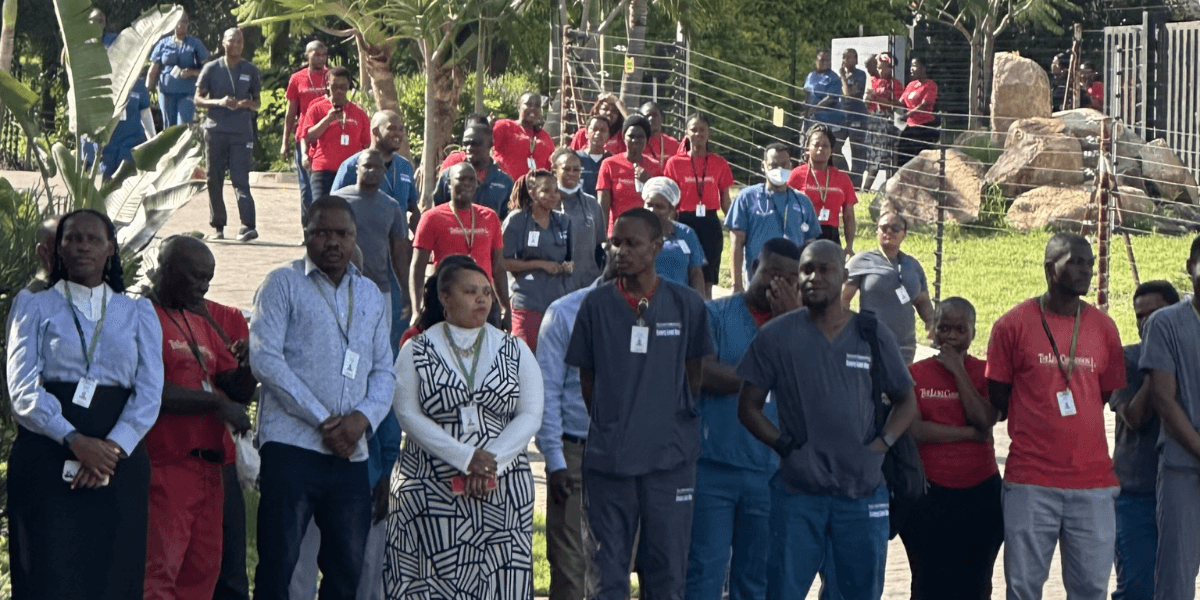
This is what our team to Eswatini would say. Yes, a great hospital and surgical program are necessary. Yes, every site must corroborate the checklist and often more such as the tremendous gifts of God at the Luke Commission’s Eswatini campus. But no, that’s not yet PAACS. Because ultimately, it’s a question of who, not what, we are.
We are healers who work with God’s gifts to surgically serve. Our hospitals and training programs are complex, alternately humble and majestic tools to be taken up in stewardship for learning and growth. We who hold the instruments are students, teachers, pastors, planners, schedulers, communicators, writers, evaluators, fundraisers, leaders, intercessors, joyful donors, and administrators. To the good people of the Luke Commission, we are a surgical body of Christ come to your door to help you train and grow extraordinary surgeons.
What is PAACS? We are. All of us.
Christopher Moir, MD
Academic Dean


